Experience the quiet charm of farm life, surrounded by mountains, fresh air, and the simple pleasures that make the Baviaanskloof so special.
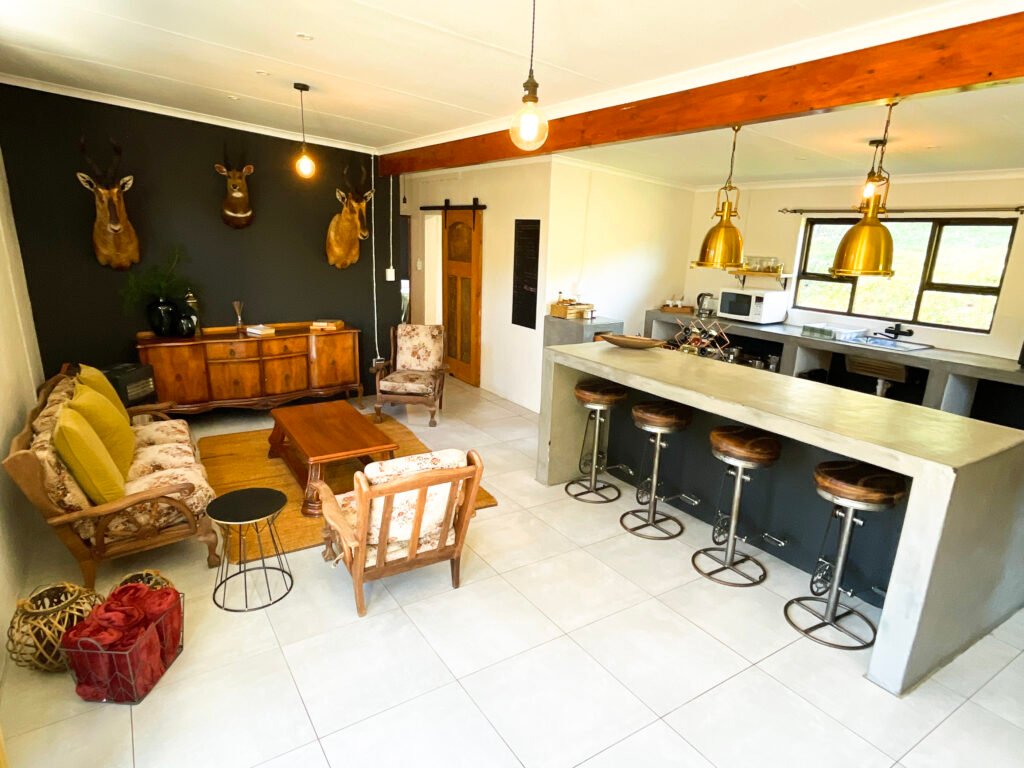
Witrivier Farmstay is a cosy, self-catering retreat on a private working citrus and goat farm in Cambria, 45 km from Patensie. Nestled at the foot of the mountains in Loerie-Kloof, it’s the perfect base for exploring the Baviaanskloof Wilderness Area.


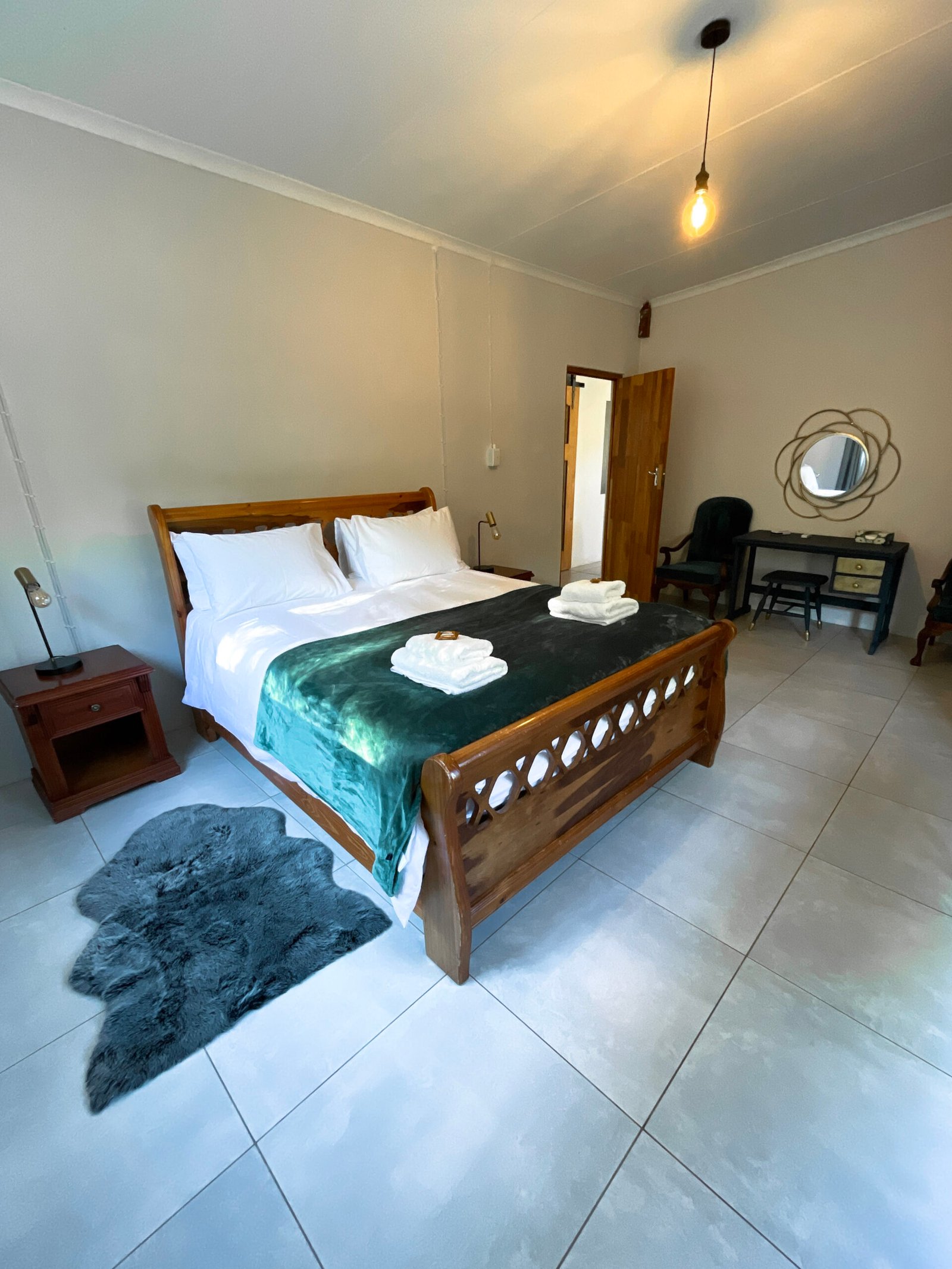
The main bedroom features a comfortable queen-size bed, dressed in crisp linen and soft pillows — perfect for sinking into after a day of exploring. The second bedroom offers two single beds, ideal for friends or children, while the third bedroom has a snug single bed for an extra guest.
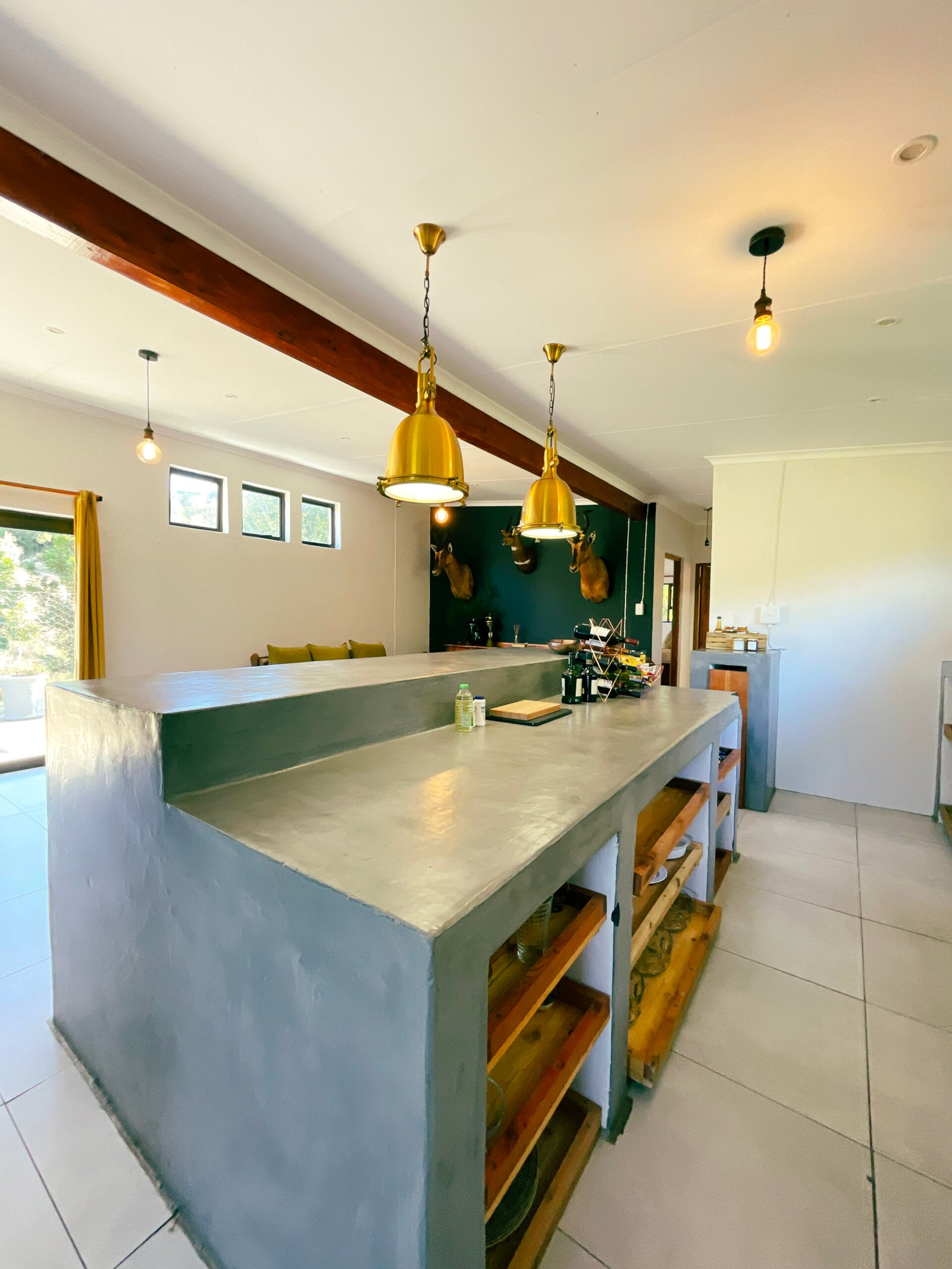
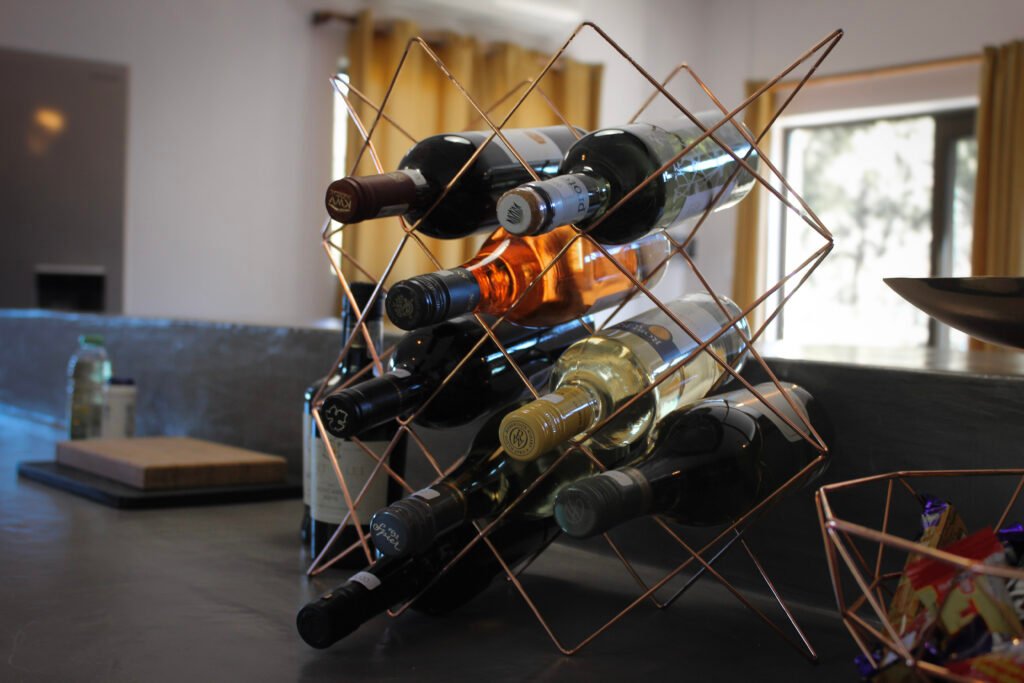
Step into the kitchen and discover a pantry filled with farm-fresh and local delights — snacks, homemade jams, preserves, and locally bottled wines and beers. Everything runs on an honour system — just note what you’ve used so we can restock for the next guest.
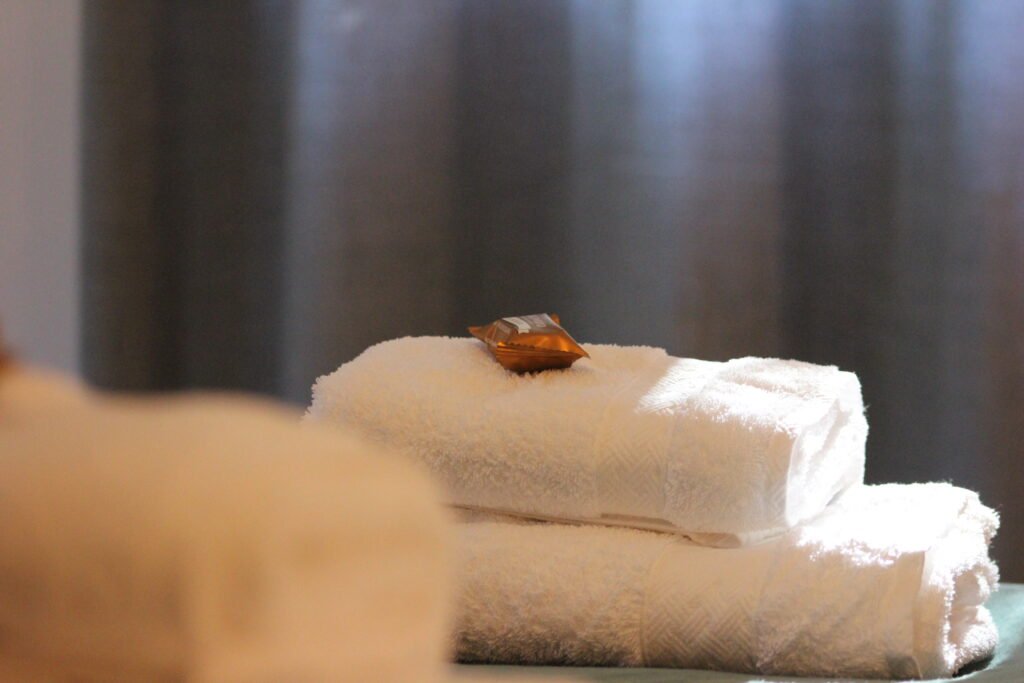
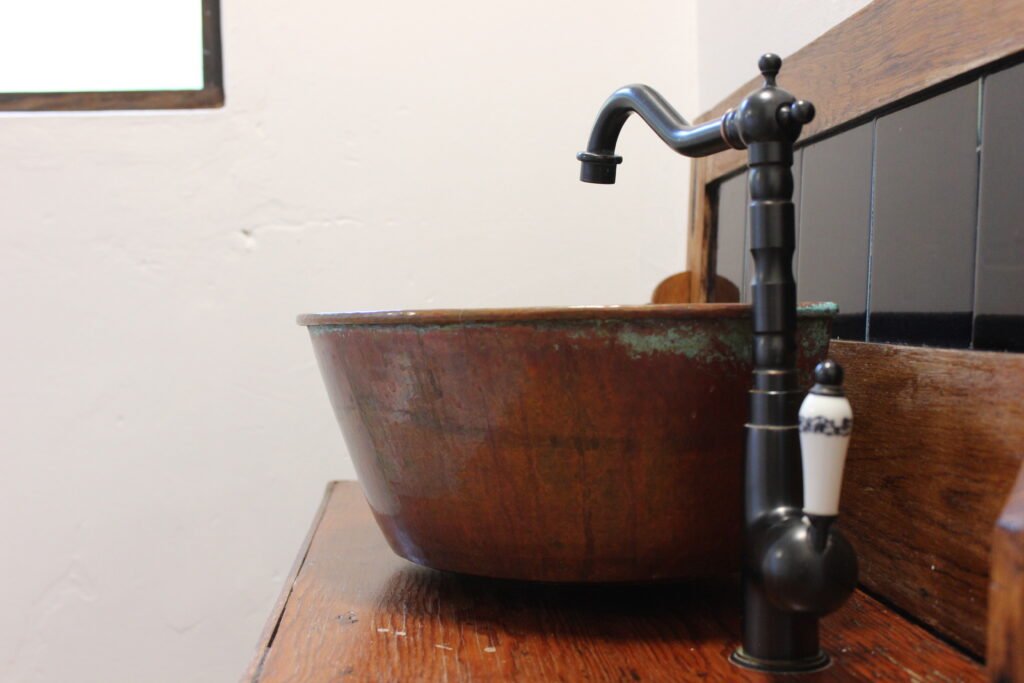
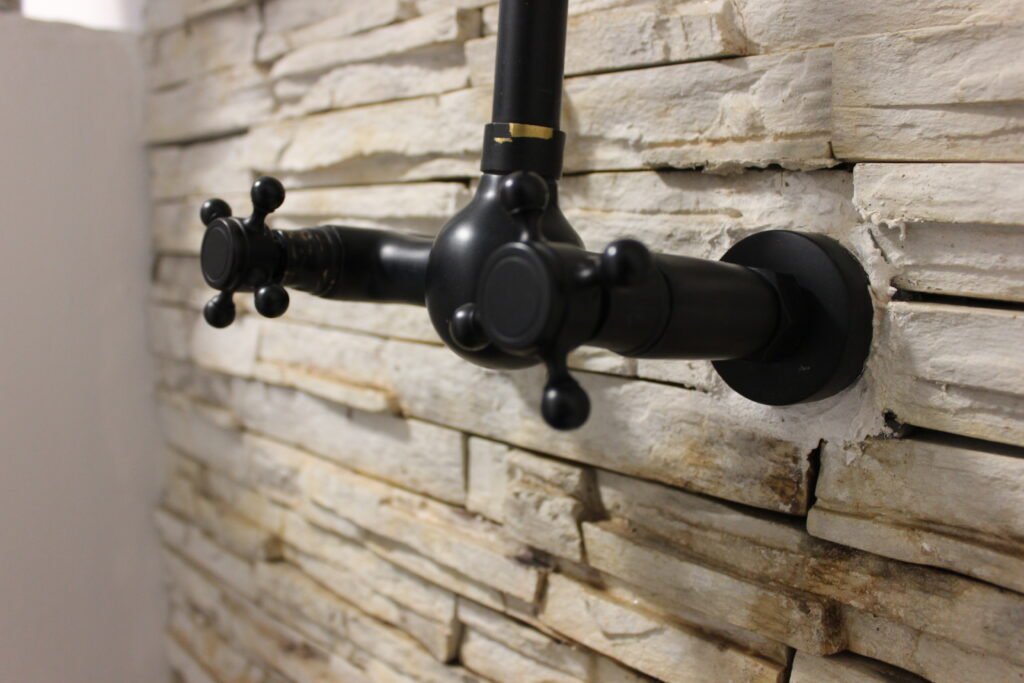
The cottage features a neat and functional shared bathroom, equipped with a shower, basin, and toilet. Fresh towels and basic toiletries are provided for your convenience, ensuring a comfortable stay. With thoughtful touches and a clean, welcoming space, it’s perfect for freshening up after a day of exploring the Baviaanskloof’s natural beauty.
We can definitely recommend White River Farmstay.
Apartment is beautifully decorated and well equipped. Crisp white bedding and towels, good quality pillows and air conditioning in all rooms. Beautiful braai area under tall, old trees, which will be a lovely place to hang out, especially in the summer. The location is ideal for people who have driven from Willowmore through the Baviaanskloof, and just want to relax after a long day on the road.
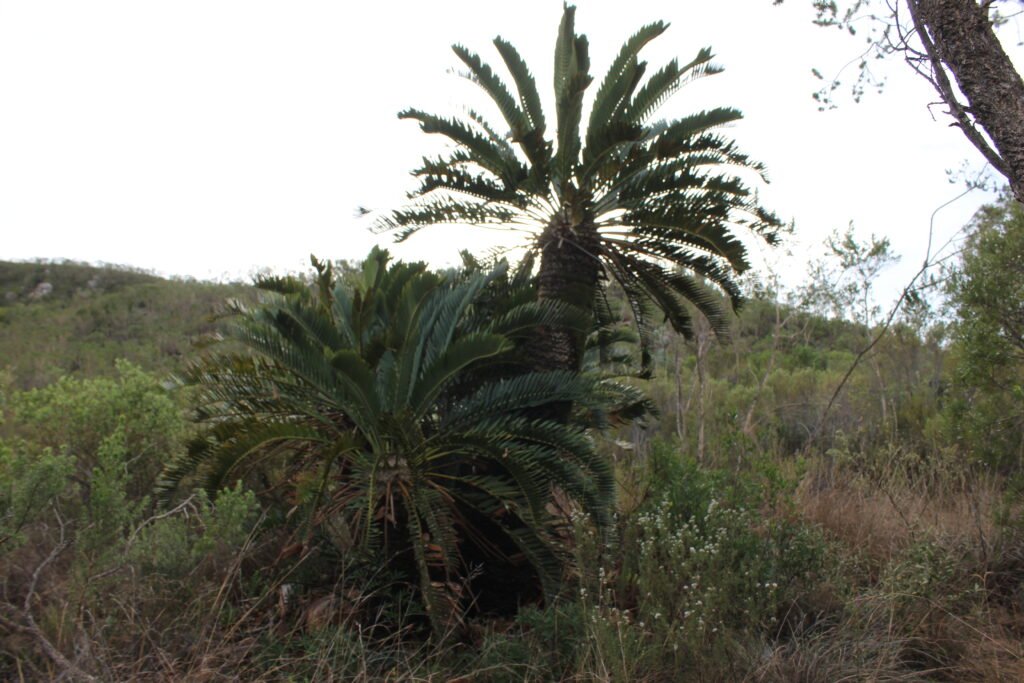
Two rare cycad species grow here — one of the oldest in the area can be found on our Cycad Hiking Trail and is estimated to be around 3,000 years old.
You’ll find an incredible 15 species of protea blooming in the area, along with graceful Willowmore cedar trees. Keep an eye out for the Cape sugarbird too — it’s found only in the fynbos. If you’re lucky, you might also spot rare beauties like the Gladiolus geardii and the Cyrtanthus montanus — the latter was only discovered as recently as 1977.
Two species of yellowwood trees grow here. One of the oldest, located at our entrance, is estimated to be 800–1,000 years old.
Rugged peaks and winding passes define the Baviaanskloof. From the towering Cockscomb (1 768 m) to Big Mac and Scholtzberg, the mountains stand guard over scenic routes like Combrinks, Holgat, Grasnek, and Nuwepoort Pass. Every bend, every summit, offers a new view of the kloof’s wild beauty.
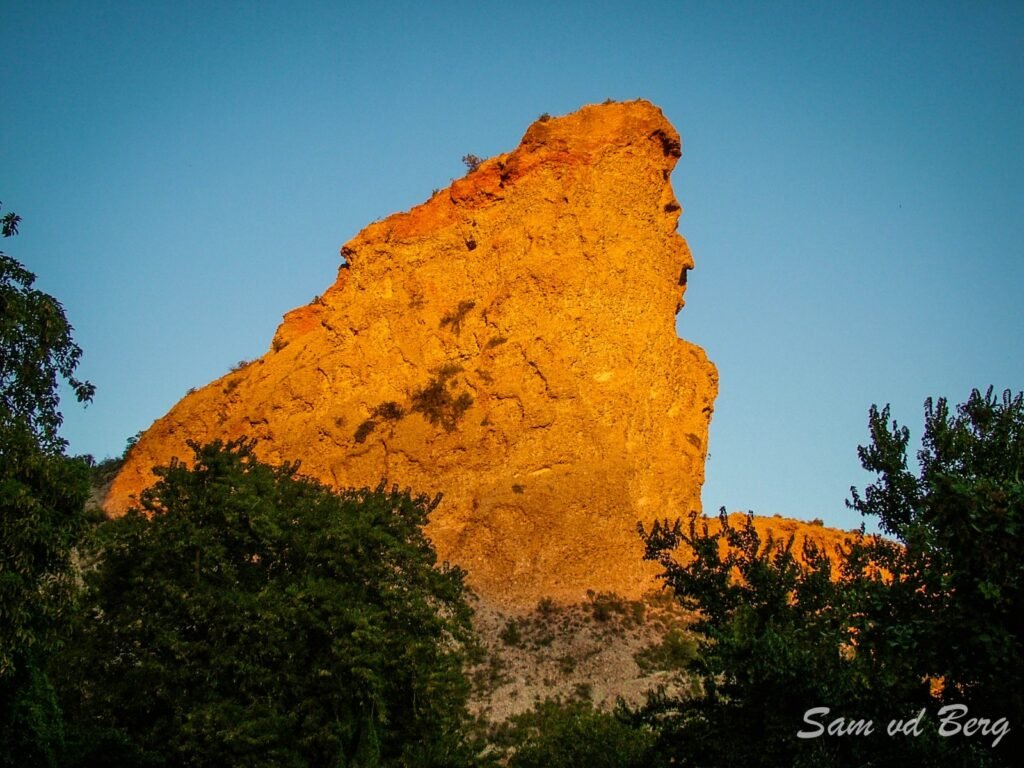
The “Queen Victoria Profile”, formed from Enon conglomerate with a cemented matrix of water-borne pebbles.
Photo by Sam vd Berg
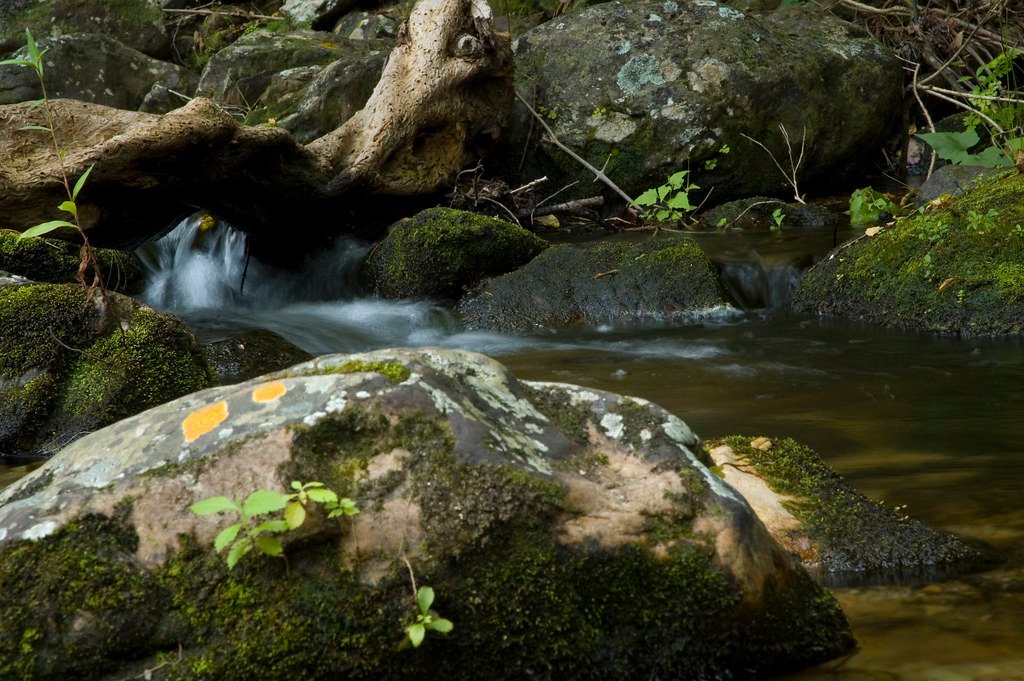
This area is rich in special plants, fish, and birdlife such as the George lily, redfin minnow (which can only survive in clean water), and the Narina trogon (also called the bush loerie), along with the Knysna loerie.
Photo by Darryn Van der Walt
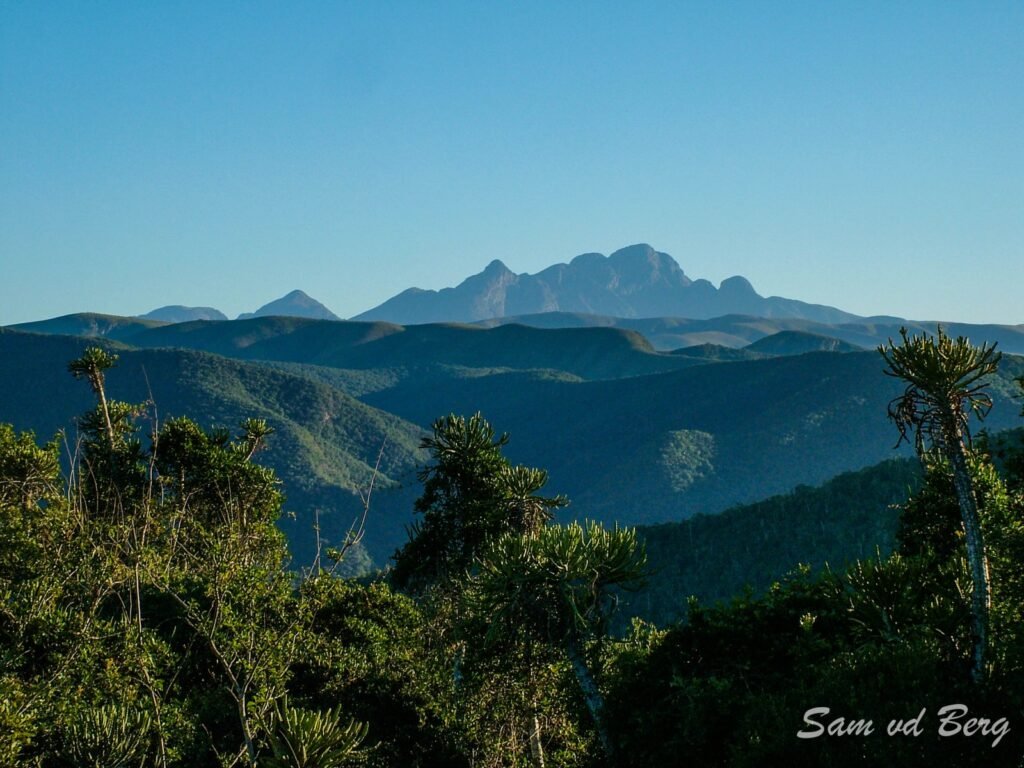
It gets its name from its resemblance to a rooster’s comb. The Cockscomb is part of the Groot Winterhoek mountain range with the higest peak being 1 768 m above sea level.
Photo by Sam vd Berg
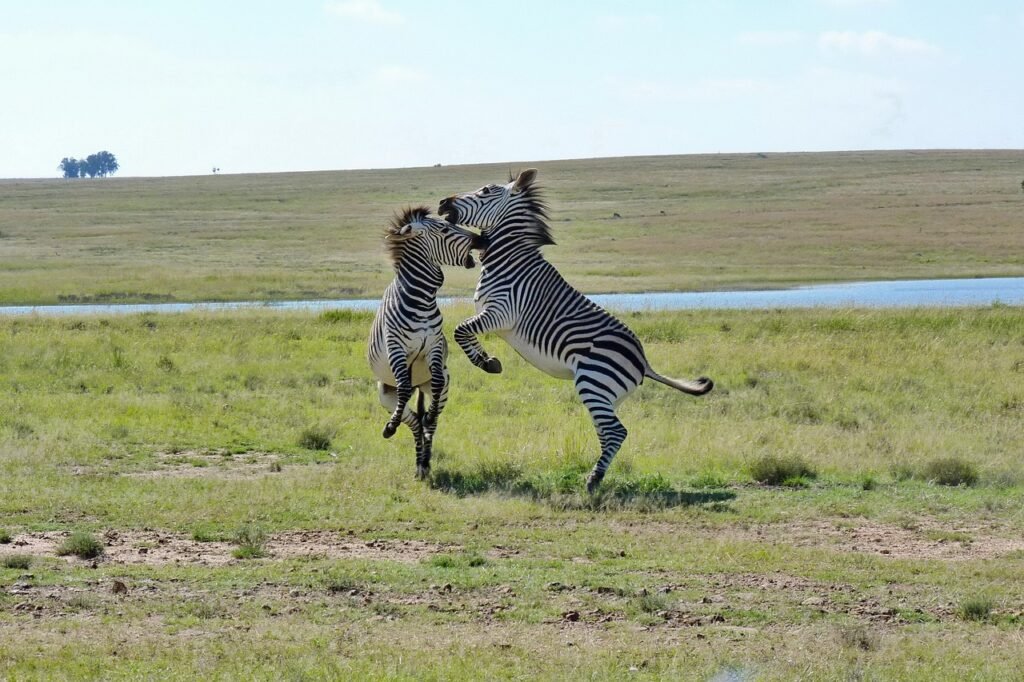
The Baviaanskloof is alive with wildlife, from elusive leopards and graceful caracals to herds of eland, mountain zebra, kudu, red hartebeest, bushbuck, duiker, grey rhebok, and klipspringer.
You might also spot buffalo, black rhino, playful baboons, curious vervet monkeys, or even the slow-moving mountain tortoise. Its rivers and streams are home to black bass, Cape kurper, redfin minnow, and catfish (barbel), adding to the region’s rich biodiversity.